
Accountants for Forex Traders With HMRC-Ready Records

Your broker statement is not a tax return. Forex trading creates tax questions that generic accounting rarely handles well: profit classification, broker reconciliation, offshore platform records, GBP conversion, allowable losses, and HMRC evidence.
This page is specific to forex trading. For broader accounting support across active trading strategies, see our accountants for day traders.
Pearl Lemon Accountants works with UK forex traders who need clean records, correct filings, and a tax position built around the way they actually trade. Whether you trad…
UK Forex Trader Accounting Built Around Evidence
- 500+ trade records can create filing errors if broker exports are not reconciled properly.
- 100+ CRS jurisdictions can share offshore account data with tax authorities.
- 4 key areas need review: trading method, residency, broker records, and tax classification.
- 12 months of trading activity should be reviewed before Self Assessment filing, not after the deadline.
Our Services
Forex tax support should start with classification, not software. We review your trading method, broker statements, platform exports, residency position, entity structure, expenses, losses, and HMRC exposure before preparing or correcting your filings.
Our accounting services for forex traders are built for people who trade with volume, complexity, or uncertainty. That includes CFD traders, spread betting users, prop firm traders, offshore broker users, limited company traders, and UK residents earning from global trading activity.
Self Assessment Tax Returns for Forex Traders
A normal Self Assessment return does not explain your trading activity. It only reports the final figures. If those figures are wrong, incomplete, or unsupported, the problem sits with you.
We prepare Self Assessment tax returns for forex traders by reviewing the trading method first. CFDs, spot forex, spread betting activity, prop firm payouts, and investment-style trading can all create different reporting questions. We assess the records before deciding how the income, gains, costs, or losses should be treated.
Our work includes broker statement review, trade history analysis, GBP conversion checks, allowable expense review, profit and loss reconciliation, and supporting schedules for your return. We also separate trading activity from employment income, dividends, interest, crypto activity, and other investments so each item is reported in the correct place.
This is especially important if you trade alongside PAYE income, use multiple brokers, hold accounts outside the UK, or have prior-year filing concerns.
You get a filing position built from your actual records, not a rushed year-end estimate.
Best fit for:
- Part-time forex traders with employment income.
- Full-time traders with regular profits.
- Traders using MT4, MT5, cTrader, or offshore brokers.
- Traders correcting previous Self Assessment returns.


Limited Company Structuring for Active Forex Traders
A limited company can look attractive once forex profits become consistent. It may help separate personal and trading finances, retain capital, manage corporation tax exposure, and build a clearer operating structure.
It can also create unnecessary admin, director loan issues, bookkeeping obligations, extraction planning problems, and higher costs if the structure does not match your trading pattern.
We review whether company trading makes commercial and tax sense before you form or restructure anything. That includes profit level, trading frequency, broker access, account ownership, retained earnings, dividend planning, corporation tax, payroll considerations, and personal extraction needs.
If a company structure is suitable, we support setup, bookkeeping, annual accounts, corporation tax filings, director reporting, bank feed structure, and record separation. If it is not suitable, we explain why staying personal may be cleaner.
The goal is not to create a company for the sake of it. The goal is to choose the structure that protects your records, reporting, and post-tax position.
Best fit for:
- Full-time traders with consistent profitability.
- Forex traders earning £50,000+ annually from trading activity.
- Traders reinvesting profits into other asset classes.
- Traders who want clean separation between personal and trading finances.
VAT Checks for Forex Income Streams
Forex trading itself is often outside normal VAT charging, but traders can create VAT issues when they sell related services. Signal groups, paid training, mentoring, subscriptions, trading communities, courses, and software access can change the position.
We review your income streams to separate trading activity from taxable business supplies. That matters if your forex income has turned into a wider commercial setup with clients, subscribers, students, or international customers.
Our work includes VAT threshold checks, income classification, mixed activity review, registration assessment, invoice treatment, evidence review, and filing support where registration is required. We also assess whether your records clearly prove which income came from trading and which came from services.
This helps reduce the risk of backdated VAT, interest, and penalties caused by treating all forex-related income as if it has the same tax profile.
Best fit for:
- Traders selling signals or subscriptions.
- Forex educators and course sellers.
- Traders running paid communities.
- UK traders with international service income.

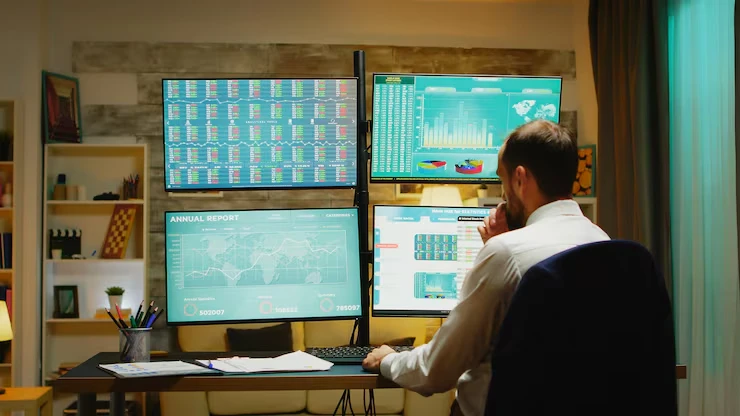
Broker Reconciliation for MT4, MT5, and cTrader
Broker exports are often messy. They can show trades, deposits, withdrawals, swaps, commissions, overnight charges, currency conversions, bonuses, internal transfers, and account adjustments in a way that does not translate cleanly into a tax return.
We reconstruct trading records from MT4, MT5, cTrader, TradingView-linked accounts, broker portals, bank feeds, and spreadsheet exports. We identify missing entries, duplicate records, unexplained withdrawals, incorrect base currency assumptions, and costs that may be hidden inside platform reports.
For UK filings, GBP conversion matters. A USD or EUR trading account needs careful treatment before profit or loss is reported. We review the conversion basis, reconcile the trading result to cash movement, and prepare working papers that support the numbers used in your return.
This is the section most forex traders need before anything else. If the records are wrong, every tax decision after that becomes weaker.
Best fit for:
- High-volume traders with 500+ trades per year.
- Traders using several brokers.
- Offshore broker users without UK tax summaries.
- Traders with incomplete or inconsistent spreadsheets.
HMRC Enquiry Support for Forex Trading Activity
A letter from HMRC can become serious quickly if your trading records are unclear. Forex activity often involves offshore brokers, high transaction volume, non-GBP accounts, losses, transfers, and figures that do not match bank deposits.
We help forex traders respond to HMRC enquiries, document requests, correction notices, discovery assessments, and prior-year filing concerns. We review the original return, rebuild the trading records where needed, identify the source of the issue, and prepare a structured response.
Our work can include broker evidence packs, transaction-level summaries, GBP conversion support, income classification review, penalty mitigation support, and communication with HMRC.
The aim is to move the issue from panic to evidence. HMRC does not need a story. It needs records, calculations, and a clear explanation.
Best fit for:
- Traders under active HMRC review.
- Traders with undeclared offshore broker activity.
- Traders correcting previous tax returns.
- Traders with missing or incomplete trading records.


UK Tax Support for International Forex Traders
UK tax residency can catch traders who assume their broker location controls their tax position. It does not. If you are UK resident, your worldwide income and gains may need to be reviewed for UK reporting.
We support international forex traders living in the UK, digital nomads, returning expats, overseas nationals, and traders using brokers in Cyprus, Dubai, the US, Australia, and other jurisdictions.
Our review covers Statutory Residence Test factors, overseas trading accounts, foreign currency income, double taxation considerations, foreign tax credit issues, bank movement, and reporting obligations connected to non-UK platforms.
This matters because offshore does not mean invisible. Broker location, bank location, and platform currency are not enough to decide the UK tax position.
Best fit for:
- UK residents trading through non-UK brokers.
- Digital nomads spending time in the UK.
- Traders with income in several currencies.
- Expats returning to the UK with active trading accounts.
Forex Loss Claims and Carry-Forward Planning
Losses are only useful if they are recorded properly. Many forex traders have loss years, drawdown periods, failed strategies, or platform losses that are never preserved correctly in their tax records.
We review whether losses can be reported, claimed, carried forward, or matched against future activity depending on the tax treatment of your trading. We also check whether the records show the loss clearly enough to support the filing position.
This includes broker statements, closed trade reports, commission records, swaps, financing costs, conversion records, deposits, withdrawals, and previous filings. If your records are incomplete, we help rebuild them before the loss is lost as a tax asset.
The goal is simple: do not let a bad trading year become a wasted tax position.
Best fit for:
- Traders recovering from drawdowns.
- Traders with volatile year-to-year results.
- CFD traders with possible loss reporting needs.
- Traders planning to scale after a loss year.


Year-Round Tax Planning for Profitable Traders
Waiting until January creates pressure, weak records, and poor decisions. Forex traders need tax visibility during the year, especially when lot sizes increase, profits become consistent, or trading moves from side income to serious capital activity.
We provide year-round accounting support for traders who want quarterly visibility over tax exposure, broker fees, retained capital, expected liabilities, company structure, and future reporting requirements.
This includes quarterly record reviews, profit and loss checks, tax exposure estimates, expense tracking, limited company planning, and filing preparation before the deadline becomes a problem.
You get clearer numbers while you are still trading, not after the tax year is already closed.
Best fit for:
- Traders increasing position size.
- Part-time traders moving toward full-time activity.
- Traders diversifying into CFDs, crypto, or commodities.
- Profitable traders who want fewer year-end surprises.
Not every forex trader has the same tax position. Your platform, trading product, account ownership, income source, volume, residency, and broker location all affect how your records should be reviewed.
Spread betting
Often treated differently from conventional investing, but your wider facts still matter.
CFDs
Profit and loss treatment can require careful review, especially where losses may need to be preserved.
Spot forex
Classification depends on activity pattern, account type, broker reporting, and how the trading is structured.
Prop firm payouts
These can create different income questions because the payment may not look like standard broker profit.
Limited company trading
Useful for some profitable traders, but only when corporation tax, extraction, bookkeeping, and director reporting have been assessed properly.
Before we file, we classify the activity first. That classification controls the records, calculations, filing position, and HMRC risk.

Two Years of Forex Records Rebuilt Before Filing
A UK-based forex trader came to us with two years of MT5 exports, offshore broker statements, USD account reports, inconsistent GBP conversions, and no clean split between deposits, withdrawals, trading profit, swaps, and commissions.
We reconstructed the trade history, separated platform movement from taxable results, reviewed the likely treatment of the activity, and prepared a filing pack with supporting calculations.
Results:
- 2 years of forex trading records reconstructed.
- 1,400+ transactions reviewed.
- Duplicate broker entries removed.
- Swap fees and commissions separated from gross trading results.
- GBP reporting pack prepared for Self Assessment support.
- The trader moved from uncertain figures to a filing position supported by evidence.
Filing a forex tax return is not just about reporting a number. It is about showing how that number was reached, which records support it, and why the tax treatment is reasonable.
We review the evidence before the filing. That means broker exports, bank movement, trading platform reports, residency position, company structure, expenses, losses, and previous returns are assessed together.
Our work is built around four standards:
Classification before calculation
We identify whether the activity needs income tax, capital gains, company accounting, VAT, or another treatment before preparing the return.
Reconciliation before filing
We do not rely on unsupported platform totals when the underlying records need checking.
Compliance before cleverness
We do not chase aggressive tax treatment that creates avoidable HMRC risk.
Clarity before deadline pressure
We explain what can be filed, what needs evidence, and what needs correction before submission.
If your records are clean, your position is easier to defend. If they are not, we fix the records before they become the problem.
Trading Records HMRC Can Actually Understand
Forex traders often have the activity, but not the evidence. That creates the risk. We turn broker data into structured tax records that show the full picture.
| What We Deliver | Why It Matters |
| Broker exports reviewed | We check platform reports, trade history, deposits, withdrawals, swaps, commissions, and currency movement. |
| GBP reporting prepared | We assess non-GBP trading accounts and make sure the figures used for UK reporting are not based on lazy conversion assumptions. |
| Tax treatment checked | We review CFDs, spot forex, spread betting, prop firm payouts, company trading, and personal trading separately. |
| Losses protected where possible | We identify whether losses need to be recorded or carried forward before the filing window is missed. |
| HMRC response pack prepared when needed | We create clear working papers so the return is not just submitted, but supported. |
| Audit-ready record storage | Keeps your historical trade data accessible for at least the HMRC statutory review period, reducing stress during an enquiry. |

Industry Signals Forex Traders Should Take Seriously
- HMRC online Self Assessment returns are due by 31 January.
- Late or inaccurate returns can trigger penalties, interest, and extra scrutiny.
- HMRC penalties for careless errors can reach 30% of extra tax due.
- More than 100 jurisdictions share financial account information under CRS.
- Forex traders often need to reconcile 5 record types: trades, deposits, withdrawals, fees, and currency conversion.
- High-volume traders can generate hundreds or thousands of transactions in one tax year.
Forex Trader Feedback
Clean records change the conversation. These traders came to us with platform exports, unclear tax treatment, offshore accounts, or structure questions that needed more than a generic return.
Frequently Asked Questions
Not every trader needs ongoing accounting support, but you should get specialist help if you trade frequently, use CFDs, receive prop firm payouts, trade through offshore brokers, have large gains or losses, or are unsure whether your profits are being classified correctly.
Spread betting is often treated differently from CFD or spot forex trading. Your wider circumstances still matter, especially if your trading activity connects to other income streams or business activity.
CFD profits may need to be reported depending on your circumstances. Losses may also need to be recorded correctly if you want to preserve them for future use.
Yes, UK residents may need to report worldwide income and gains. Using a non-UK broker does not automatically remove UK reporting obligations.
Yes. We review trading platform exports, broker reports, bank feeds, spreadsheets, and transaction histories. We can also rebuild records where statements are incomplete or inconsistent.
Some costs may be allowable depending on your trading classification, structure, and evidence. We review the expense, business purpose, and filing position before including it.
Some losses may be claimable or carried forward, but the treatment depends on classification and records. Poor evidence can mean a useful loss is not preserved properly.
A limited company can help some profitable traders retain capital and separate finances. It can also create extra admin, corporation tax, director loan, and extraction issues. We review suitability before recommending the structure.
Yes. We can review prior-year filings, broker records, missing income, incorrect classifications, and HMRC correspondence to identify whether corrections are needed.
No. We do not provide trading advice, investment advice, or legal counsel. We provide accounting and tax support based on your records, activity, structure, and UK filing obligations.
Get Your Forex Tax Position Clean Before Filing
If your forex records are unclear, your broker statements do not match your spreadsheet, or you are unsure whether your profits, losses, or payouts are being classified correctly, do not leave it until HMRC asks the question first.
Send us your trading records, broker exports, and current concern. We will review the position, identify what needs fixing, and show you the next step before your return is filed or corrected.
Your trading may be complex. Your tax records should not be chaotic.